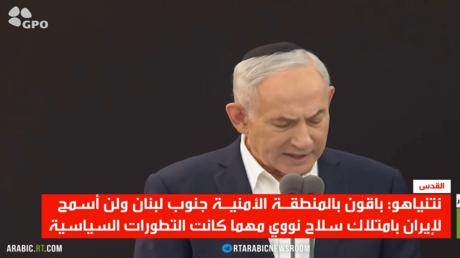
100 days of the US–Israel war on Iran
play Live Sign upShow navigation menu.css-15ru6p1{font-size:inherit;font-weight:normal;}Navigation menuNewsShow more news sectionsAfricaAsiaUS & CanadaLatin AmericaEuropeAsia PacificMiddle EastExplainedOpinionWorld CupVideoMoreShow more sectionsFeaturesEconomySportHuman RightsClimate CrisisInvestigationsInteractivesIn PicturesScience & TechnologyPodcastsTravelplay Live Click here to searchsearchSign upNavigation menucaret-leftUS-Israel war on IranLive updates100 days of warWhere do US-Iran peace talks stand?Why Iran won’t give up HormuzCould Israel sabotage US-Iran deal?caret-rightIn Pictures One hundred days in, the US-Israel-Iran conflict remains a bloody stalemate with mounting loss of civilian lives. xwhatsapp-strokecopylinkgoogleAdd Al Jazeera on GoogleinfoSmoke rises over Tehran after an explosion, Iran, 28 February 2026. [AP Photo]By Showkat Shafi, AP and ReutersPublished On 7 Jun 20267 Jun 2026One hundred days into the US-Israeli war on Iran, the conflict has settled into a grinding, unpredictable stalemate — far removed from the “very fast” campaign Donald Trump once promised. A Pakistan-brokered ceasefire announced on April 8 has done little to stop the bloodshed. The Strait of Hormuz remains largely closed to maritime traffic, peace talks hover near collapse, and attacks persist across multiple front lines. Israel has expanded the war on Iran to Lebanon, inflicting on it the heavier death toll, and displacing more than one million people as Israel expands its occupation of the country’s south, razing entire villages. Israel killed at least 3,593 people in Lebanon, while the US and Israel killed at least 3,468 in Iran. Some 29 people have died in Gulf countries, as well as 26 in Israel and 13 US soldiers, in Iranian attacks. This photo gallery documents 100 days of war across Iran, Lebanon, and the broader region — from devastated neighbourhoods and crowded funerals to missile-struck airports, gridlocked escape routes, and staged rallies — bearing witness to the human cost of a conflict with no end in sight. Show moreAbout UsCode of EthicsTerms and ConditionsEU/EEA Regulatory NoticePrivacy PolicyCookie PolicyCookie PreferencesAccessibility StatementSitemapWork for usConnectConnectShow moreContact UsUser Accounts HelpAdvertise with usStay ConnectedNewslettersChannel FinderTV SchedulePodcastsSubmit a TipPaid Partner ContentOur ChannelsOur ChannelsShow moreAl Jazeera ArabicAl Jazeera EnglishAl Jazeera Investigative UnitAl Jazeera MubasherAl Jazeera DocumentaryAl Jazeera BalkansAJ+Our NetworkOur NetworkShow moreAl Jazeera Centre for StudiesAl Jazeera Media InstituteLearn ArabicAl Jazeera Centre for Public Liberties & Human RightsAl Jazeera ForumAl Jazeera Hotel PartnersFollow Al Jazeera English:المصدر: Al Jazeera English | Source: Al Jazeera English
ملاحظة تحريرية | Editorial Note: نُشر هذا المقال في الأصل بواسطة Al Jazeera English. خبر (Khabr) هي منصة إعلامية أردنية مرخّصة تعمل بالذكاء الاصطناعي. نضيف قيمة تحريرية من خلال: تحليل ذكي للأخبار، ملخصات تلقائية، رواية صوتية بالذكاء الاصطناعي، ترجمة متعددة اللغات، وتدقيق الحقائق. هدفنا جعل الأخبار أكثر وضوحاً وسهولةً للقارئ العربي.
This article was originally published by Al Jazeera English. Khabr is a licensed Jordanian AI-powered news platform (Registration #82086). We add editorial value through: AI-powered news analysis, automated summaries, AI audio narration, multi-language translation (Arabic, English, French, Turkish), and AI fact-checking. Our mission is to make news more accessible and understandable for Arabic-speaking audiences worldwide.